
Layering Wood Finishes: A Designer’s Guide to Floors, Millwork, and Furnishings
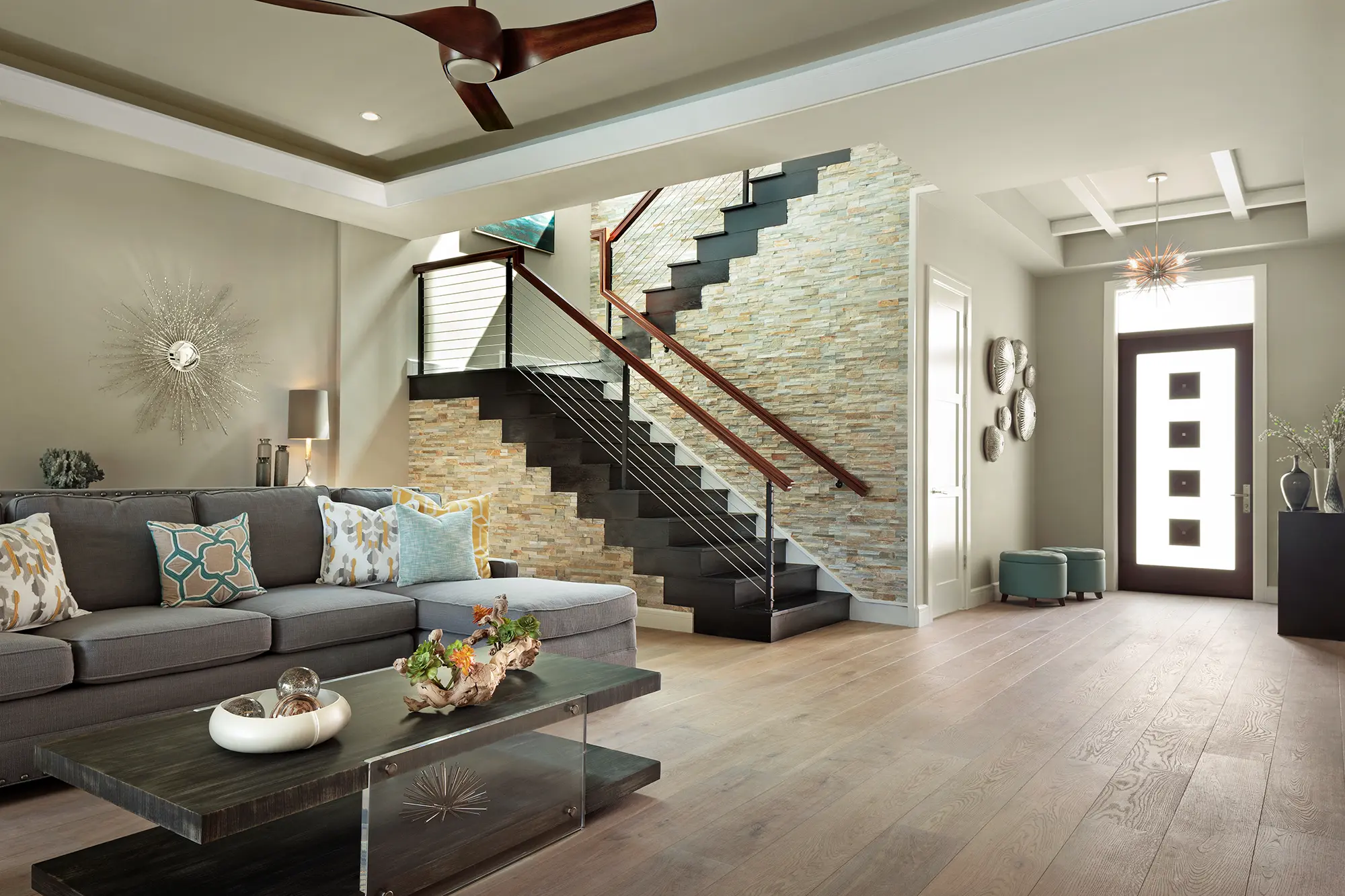
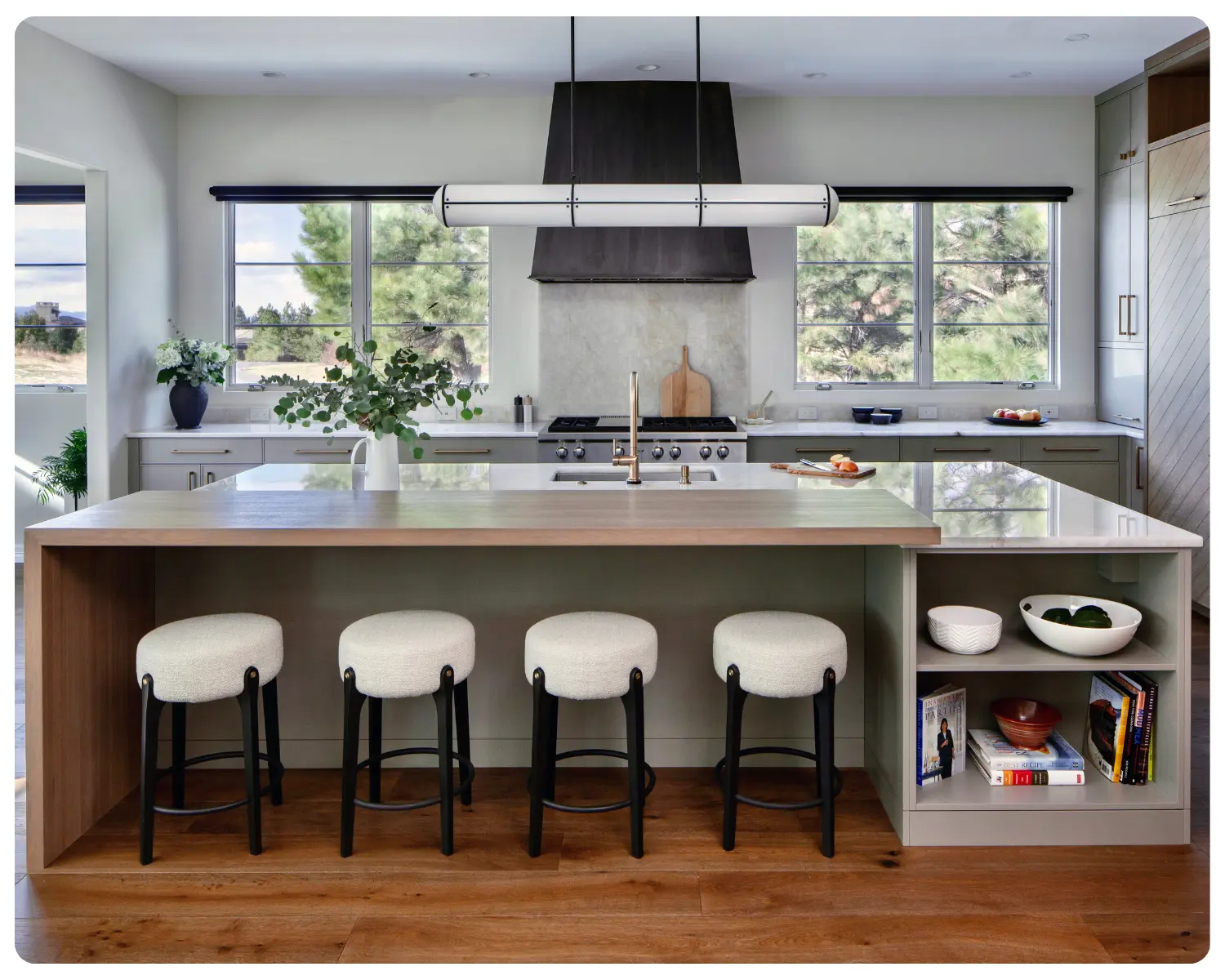
When layered thoughtfully, mixed wood tones create interiors that feel collected, dimensional, and sophisticated rather than flat or overly coordinated.
Why Layering Wood Tones Creates Better Interior Design
Modern interiors rarely rely on a single wood species or finish throughout a space. Designers are increasingly combining natural oak floors with walnut millwork, smoked finishes with lighter furniture, and matte textures with organic materials to create visual richness and authenticity.
Layered wood tones help:
- Add depth and contrast
- Prevent interiors from feeling one-dimensional
- Create warmth in contemporary spaces
- Highlight architectural details
- Make furnishings feel curated instead of overly matched
The result is a more refined and livable interior.
The most beautiful interiors don’t rely on perfectly matched wood tone. They rely on balance, contrast, and materials that feel naturally connected.
Chris Keale, Tongue & Groove Premium Wood Flooring
Start With the Foundation: The Wood Floor
Your flooring typically acts as the largest wood surface in the space, making it the foundation for all other wood elements.
Wood flooring sets the emotional tone of a space. The right floor doesn’t just support the design. It anchors the entire experience of the room.
Chris Keale, Tongue & Groove Premium Wood Flooring
Light Wood Floors
Light oak, ash, and natural finishes create an airy and versatile backdrop that works well with:
- Walnut furniture
- Black accents
- Warm neutrals
- Minimalist interiors
- Scandinavian and Japandi aesthetics
Medium-Tone Wood Floors
Medium tones provide flexibility and warmth while pairing easily with both lighter and darker furnishings.
These floors are ideal for:
- Transitional interiors
- Contemporary mountain homes
- Warm modern aesthetics
- Traditional spaces with updated finishes
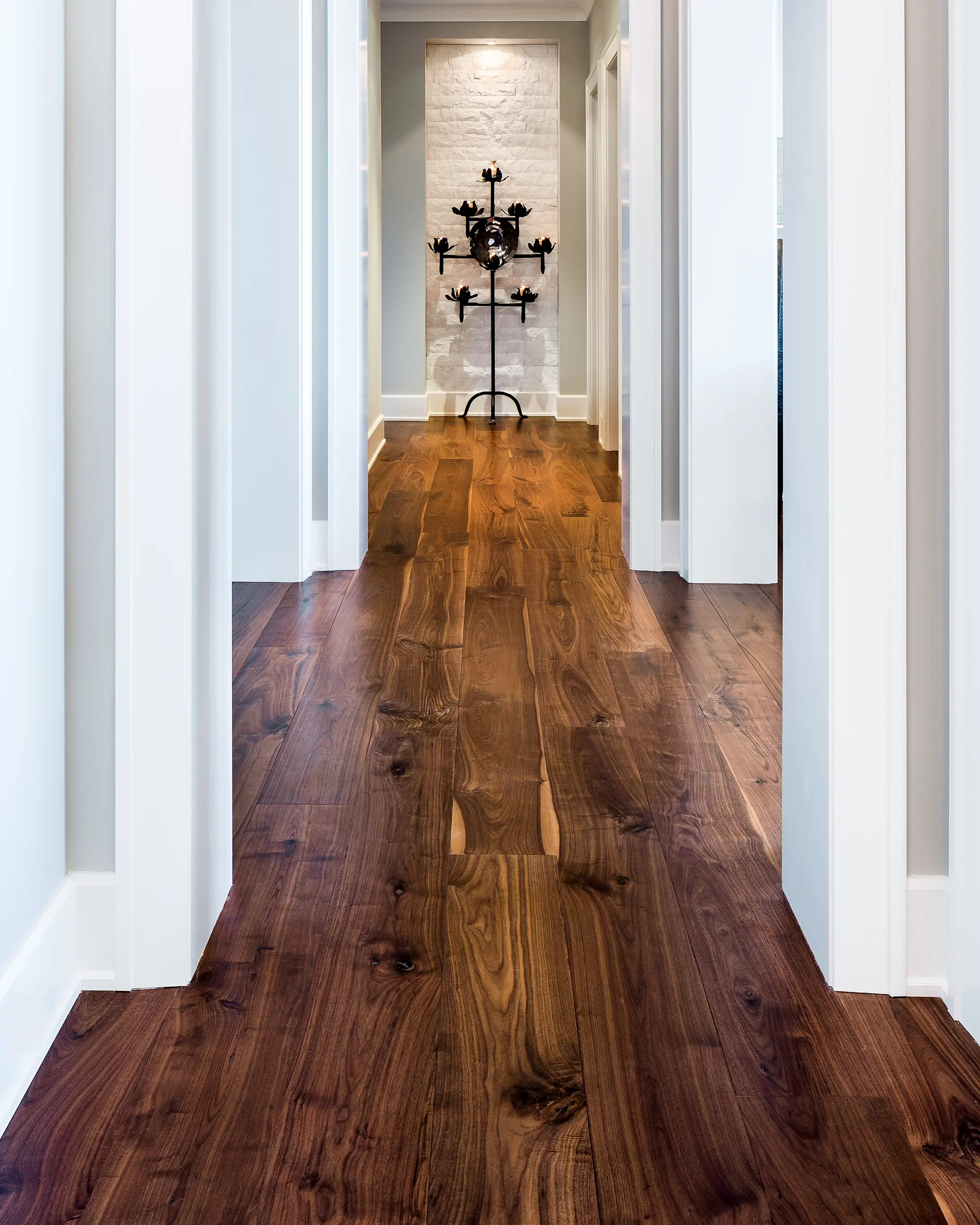
Dark Wood Floors
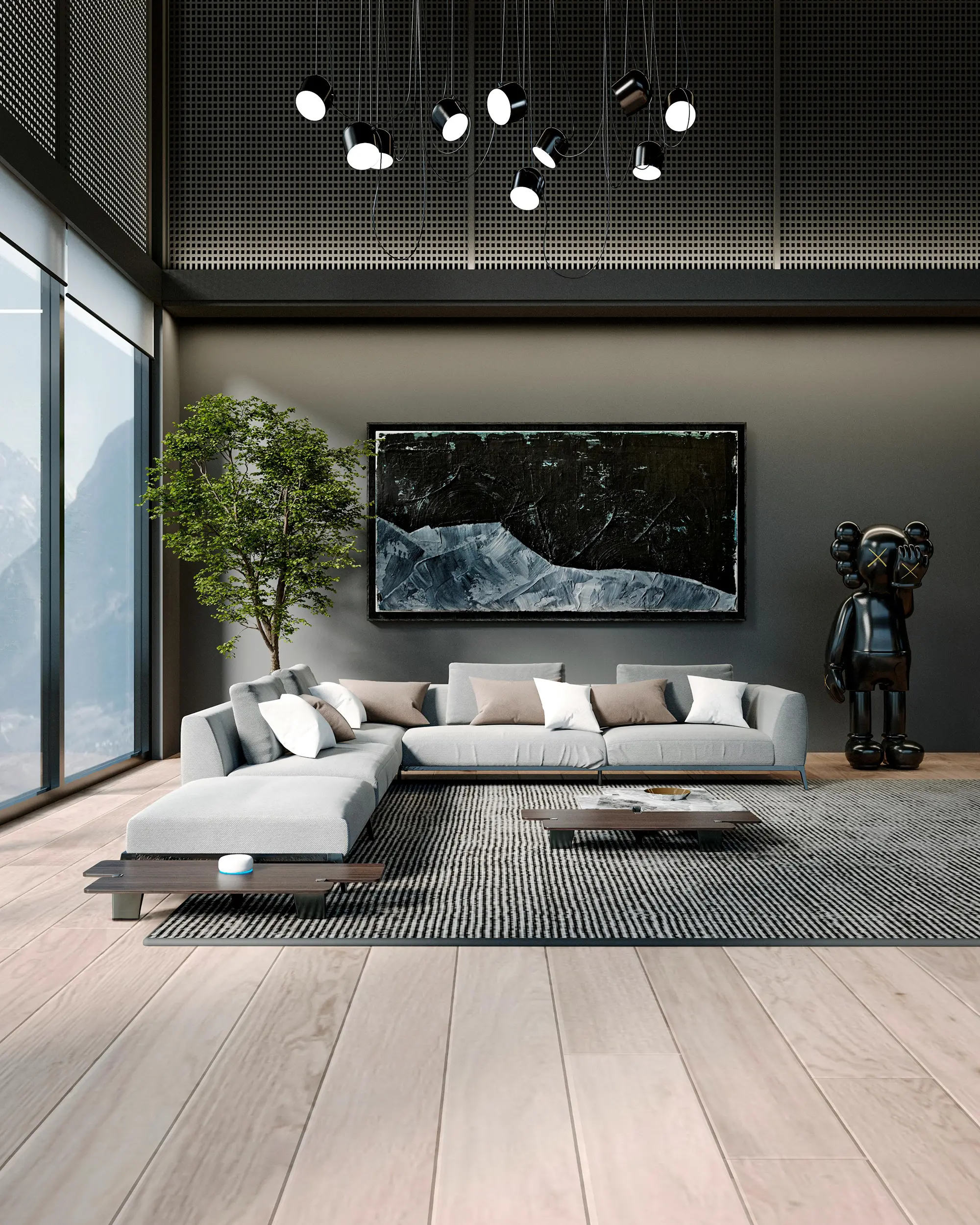
Dark wood flooring creates dramatic contrast and sophistication, but requires balance to avoid making a room feel heavy.
Pair dark floors with:
- Lighter millwork
- Upholstered furnishings
- Matte finishes
- Natural stone and textured fabrics
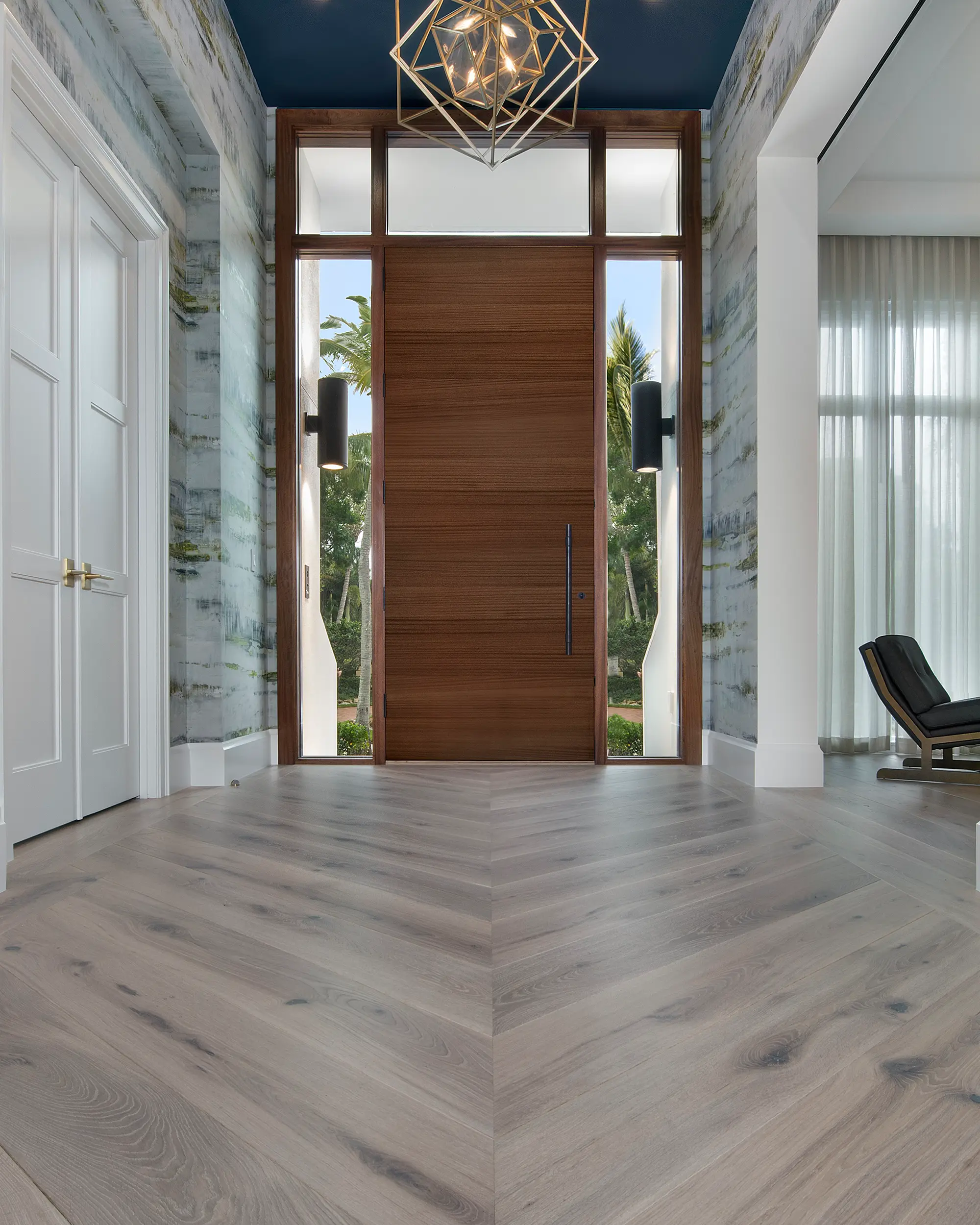
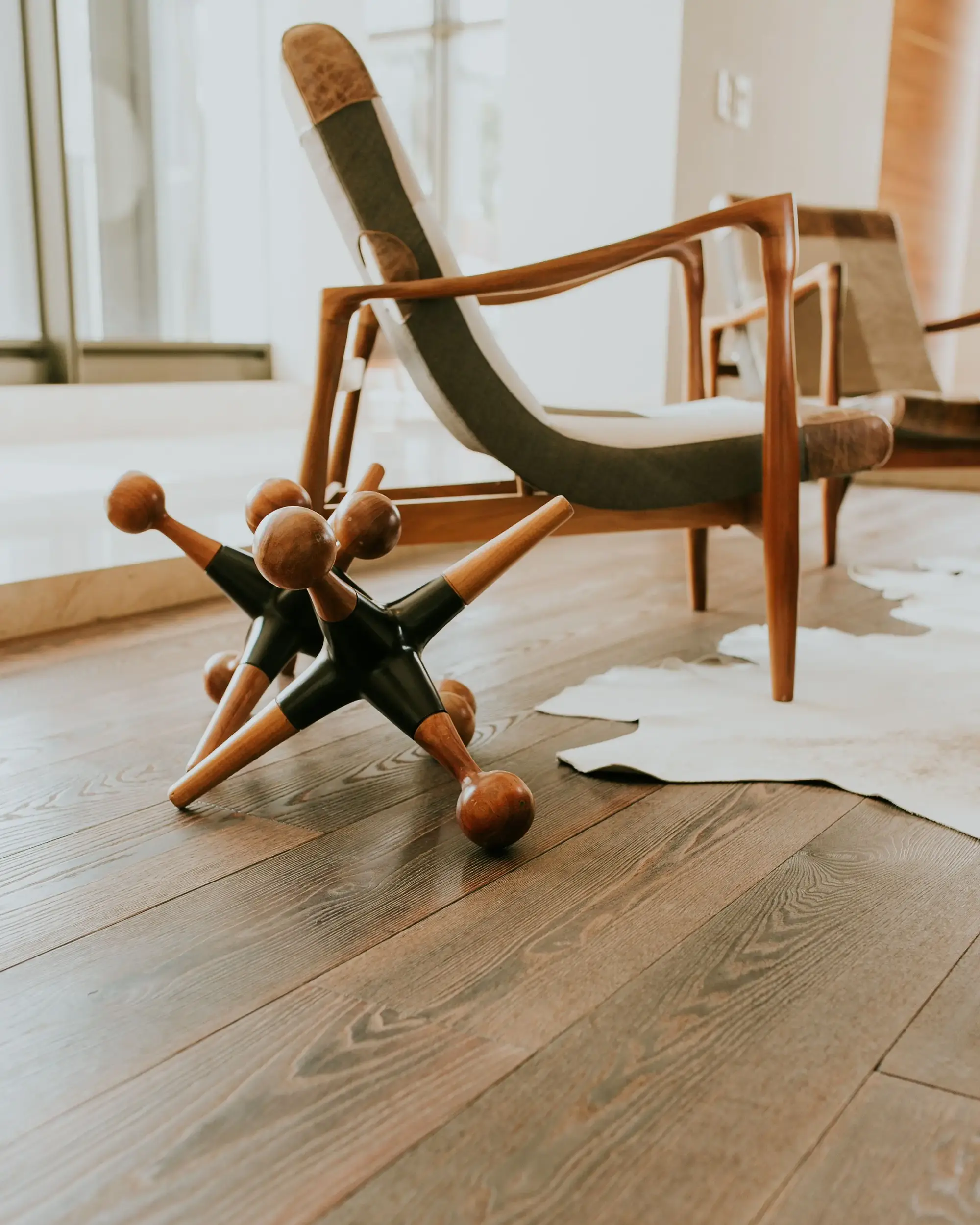
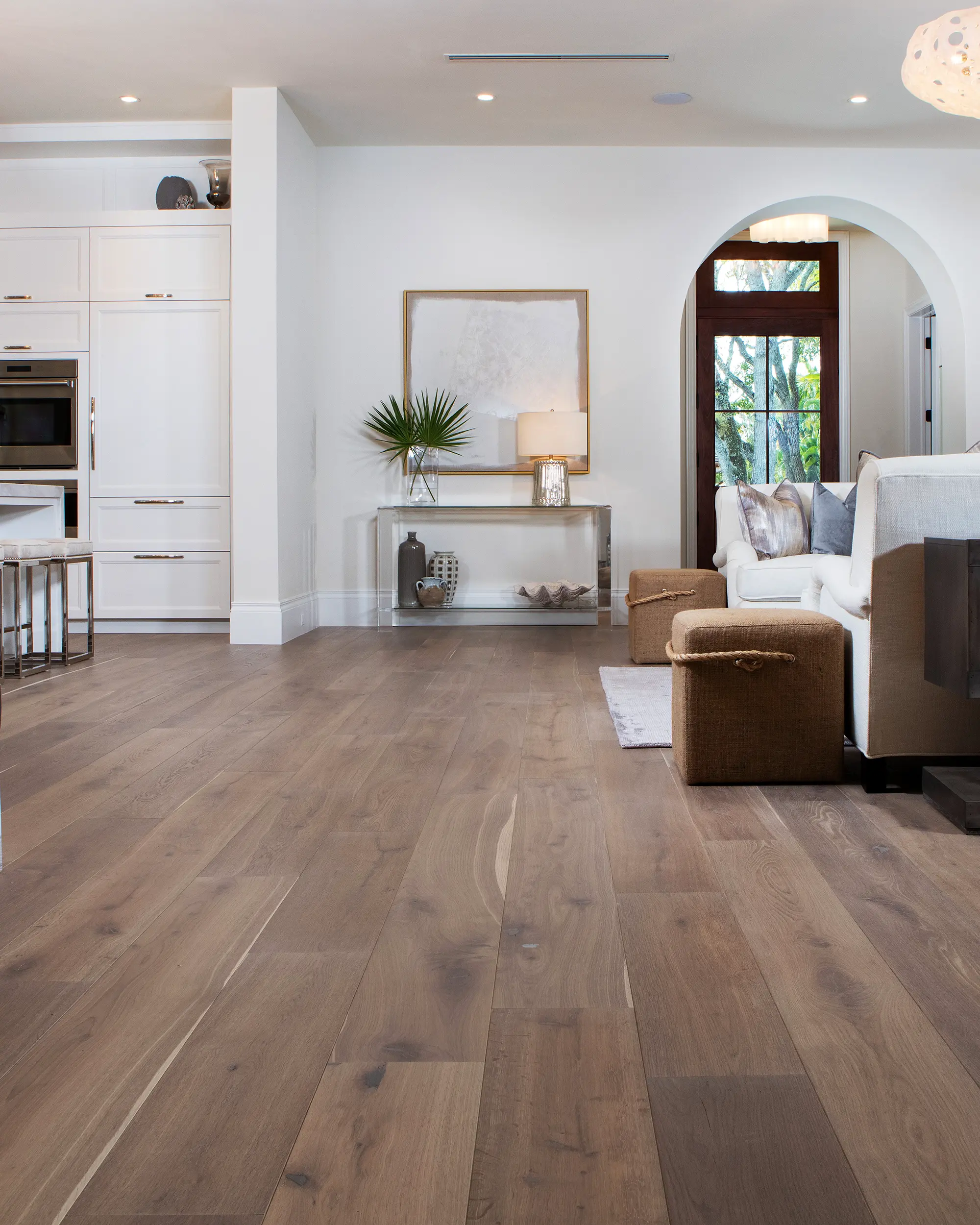
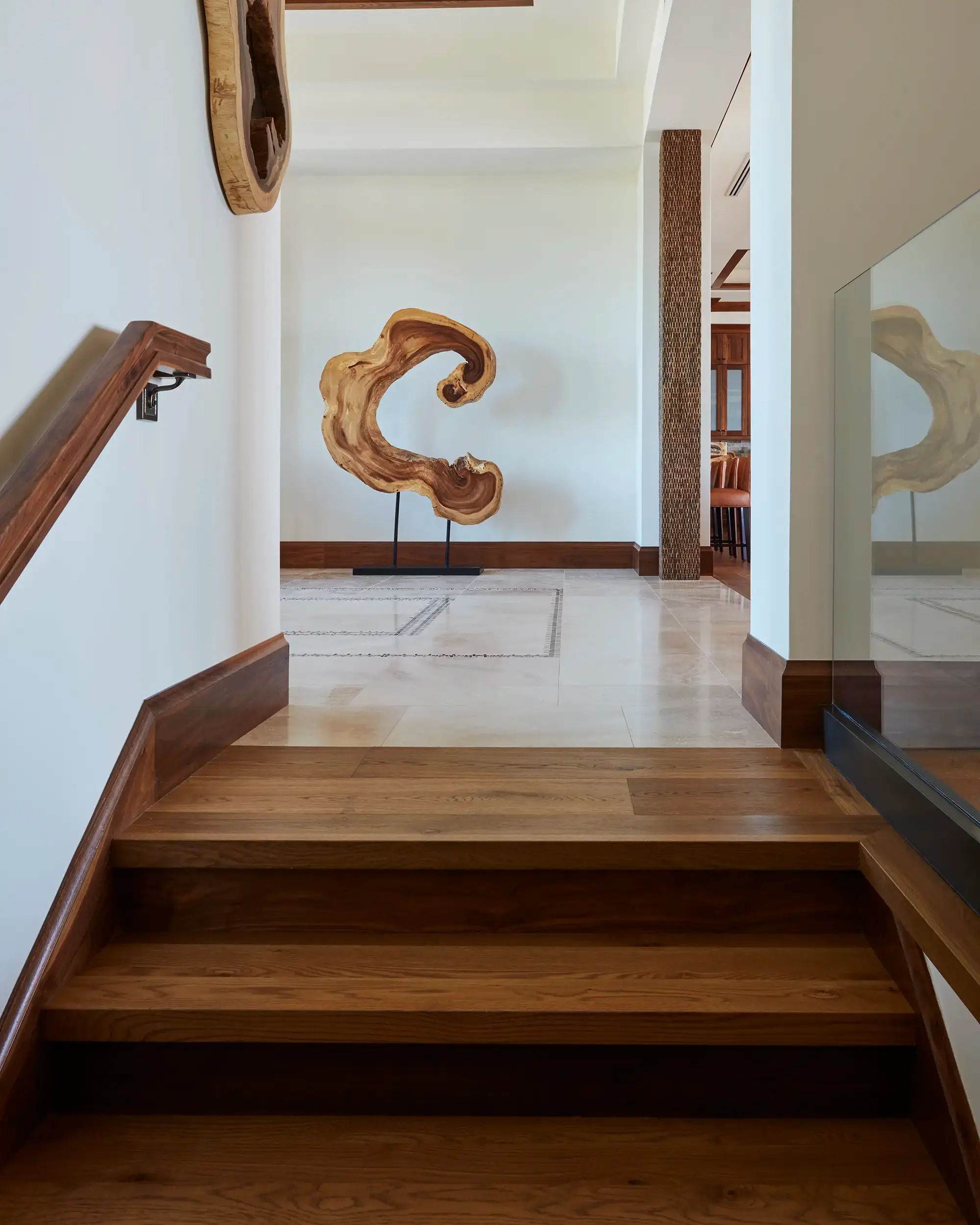
Use Texture and Grain to Add Dimension
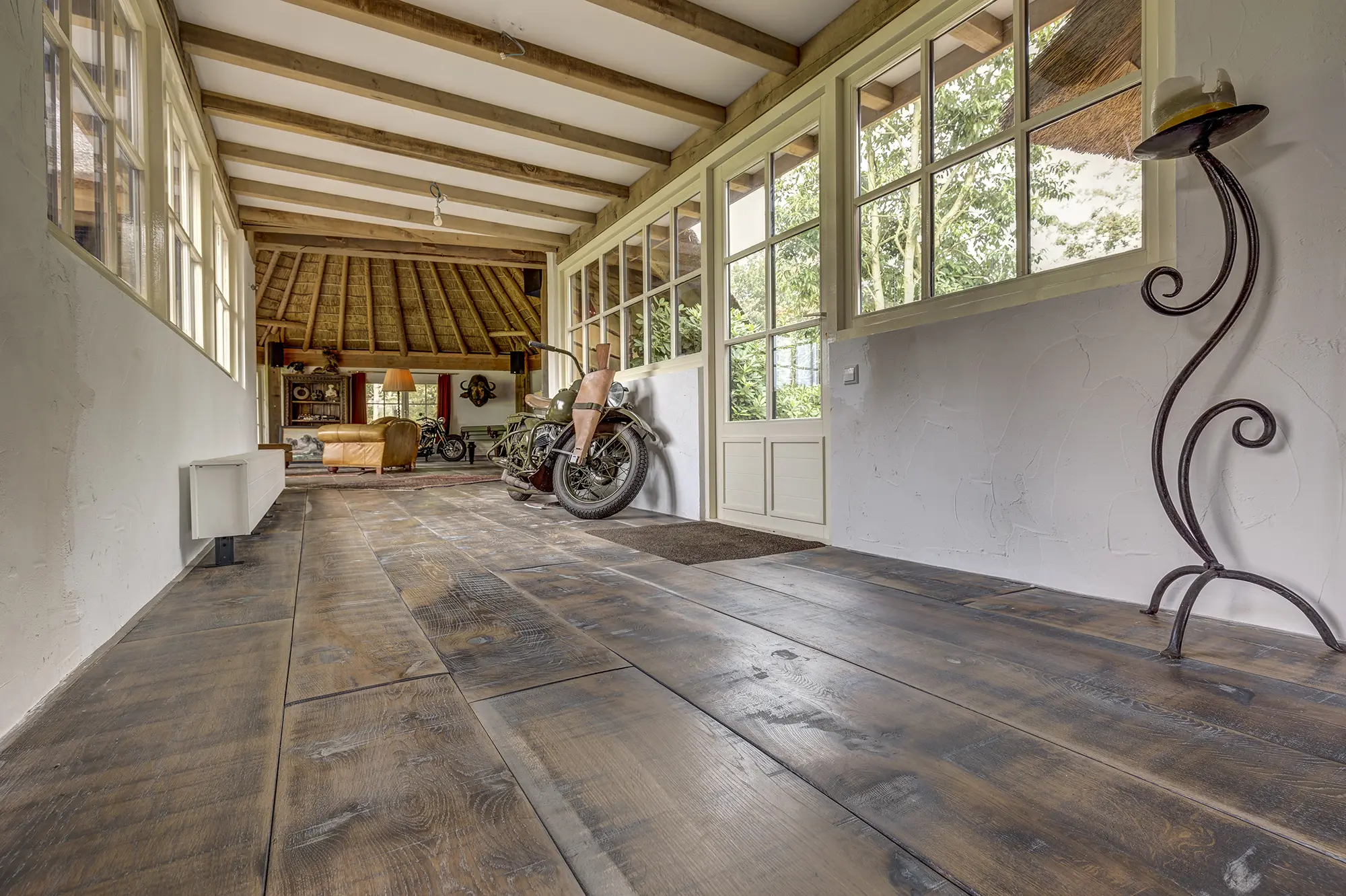
Popular designer-approved textures include:
- Wire-brushed oak
- Rift and quartered white oak
- Matte UV finishes
- Antique reclaimed wood
- Cerused finishes
Textural contrast helps spaces feel layered without overwhelming the eye.
Balance Wood With Other Materials
Too much wood can make interiors feel visually heavy. Designers often balance wood flooring and millwork with:
- Natural stone
- Plaster walls
- Metal accents
- Upholstered furniture
- Textiles and rugs
- Glass and concrete
This creates breathing room between finishes and helps individual wood elements stand out.
Layering wood finishes successfully comes down to undertones and texture. When those elements work together, the space feels intentional rather than overly coordinated.
Chris Keale, Tongue & Groove Premium Wood Flooring
Tips Interior Designers Use When Layering Wood Tones
1. Limit the Palette
Aim for 2 to 3 dominant wood tones within a space for cohesion.
2. Repeat Finishes Strategically
Repeat a wood tone in at least two locations so it feels intentional.
3. Use Rugs to Transition Between Woods
Area rugs soften contrast and visually separate flooring from furnishings.
4. Consider Natural Light
Wood tones shift dramatically depending on lighting conditions and orientation.
5. Sample Materials Together
Always review flooring, cabinetry, and furnishings side-by-side before final specification.
Wood Tone Pairings That Consistently Work Well
Flooring |
Millwork |
Furniture |
|---|---|---|
| White Oak | Walnut | Linen + Black Metal |
| Natural Oak | Rift Oak | Soft Taupe Upholstery |
| Dark Walnut | Painted Millwork | Light Textured Fabrics |
| Reclaimed Wood | Matte Black Cabinetry | Contemporary Leather Seating |
| Warm Oak | Bronze Accents | Organic Modern Furnishings |
Designing Spaces That Feel Layered and Timeless
The best interiors rarely rely on perfect matching. Instead, they embrace thoughtful contrast, natural materials, and layered finishes that evolve. When wood flooring, millwork, and furnishings are balanced correctly, they create interiors that feel warm, architectural, and deeply connected to the overall design vision.
For interior designers, mastering wood tone layering is less about following rigid rules and more about understanding harmony, proportion, and material relationships. The result is a space that feels curated, sophisticated, and timeless.
Schedule a free consultation with Chris Keale to discuss your next design project.