
Designing with Architectural Decorative Glass
Transforming Residential, Hospitality and Commercial Architecture
Glass has evolved far beyond simple windows. Today, architectural decorative glass is one of the most versatile design materials available, helping architects, interior designers, builders, and homeowners create spaces that feel brighter, more open, and uniquely customized.
Whether you’re designing a luxury residence, renovating a bathroom, or specifying materials for a commercial project, decorative glass offers an exceptional balance of beauty, performance, and functionality. From statement staircases to sleek shower enclosures and dramatic glass facades, today’s innovations make it possible to incorporate glass into nearly every aspect of a building.
Architectural decorative glass has evolved from a finishing material into a defining design element. It gives architects and designers the freedom to shape light, create visual connections, and add distinctive character without compromising performance.
Matthew Lebowitz, Empoli Rep Group
The Growing Role of Architectural Decorative Glass in Modern Design
Decorative glass allows designers to introduce light, texture, color, and privacy without sacrificing openness.
Unlike traditional building materials, glass can simultaneously:
- Maximize natural daylight
- Create visual connections between spaces
- Add texture and artistic expression
- Improve the perception of larger interiors
- Deliver modern, minimalist aesthetics
The result is a home or commercial environment that feels brighter, more spacious, and thoughtfully designed.
Interior Applications That Inspire
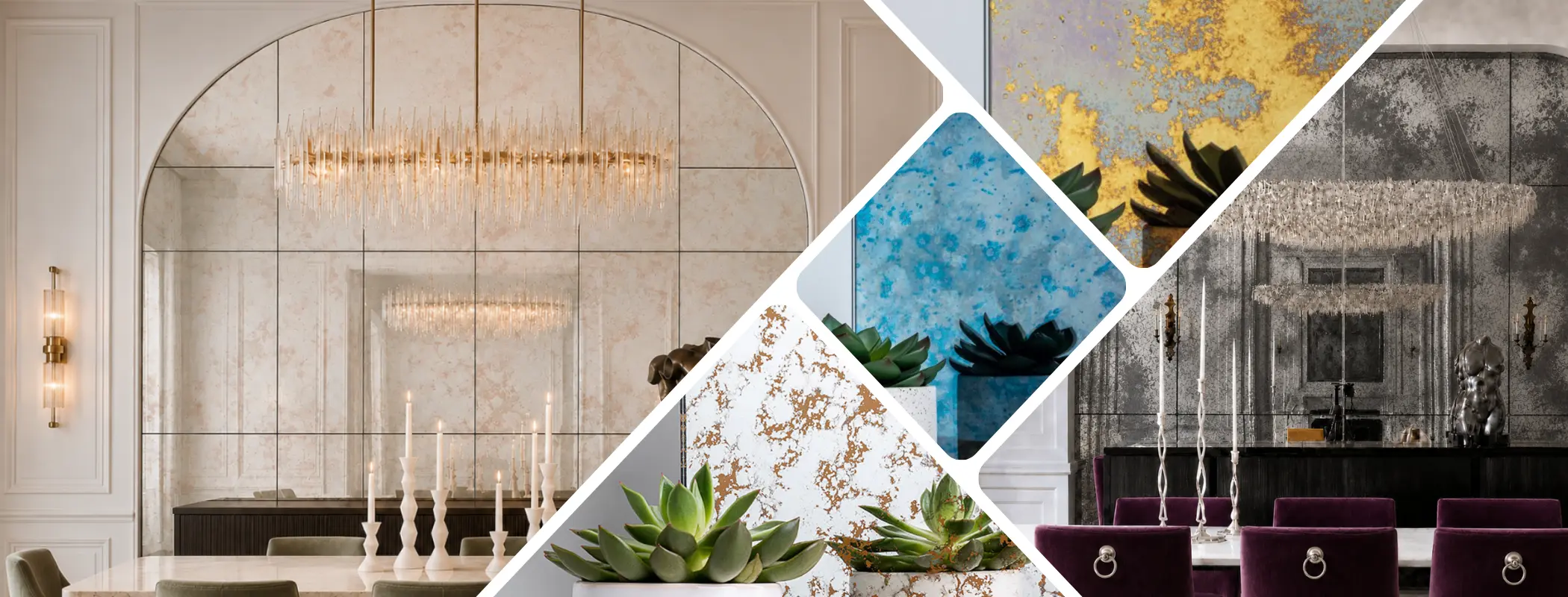
Antique Mirrors
While often associated with luxury interior decor, antique mirror glass can create dramatic focal points that make interiors feel truly one of a kind.
Frameless Glass Walls
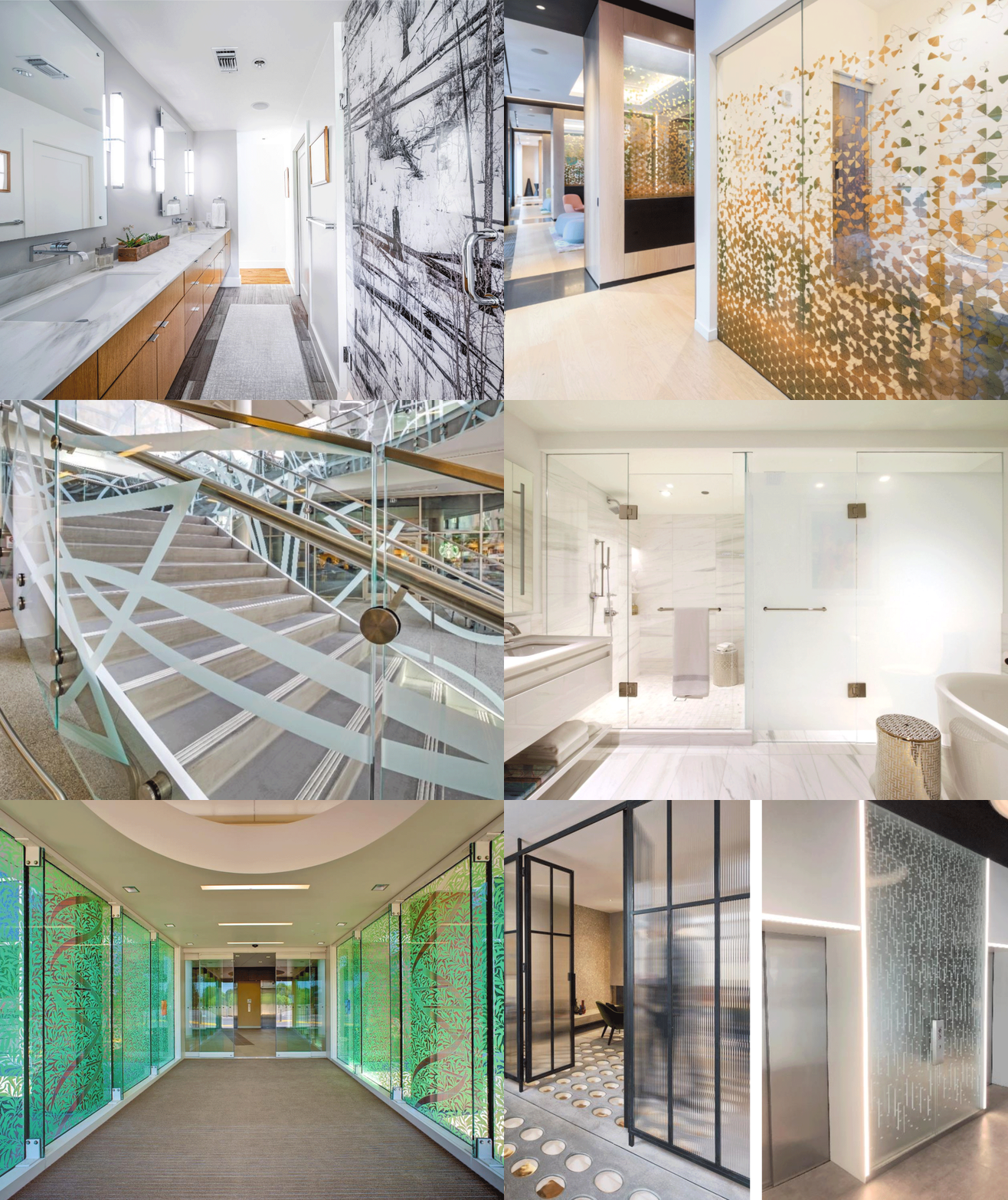
Open-concept living remains popular, but homeowners still want separation between spaces. Frameless glass partitions provide subtle boundaries while maintaining uninterrupted sight lines and allowing daylight to travel throughout the home.
Shower Enclosures
Modern shower doors have become architectural statements rather than simple functional elements. Decorative glass can introduce privacy, texture, or custom patterns while maintaining the clean, spa-like appearance homeowners love.
Stair Railings and Balustrades
Replacing traditional wood or metal railings with glass creates an elegant floating effect that opens staircases and enhances natural lighting.
The most successful glass installations balance beauty with function. When decorative glass is thoughtfully specified, it can enhance privacy, improve daylighting, support safety requirements, and become one of the most memorable features of a building.
Matthew Lebowitz, Emploli Rep Group
Exterior Glass Creates Lasting First Impressions
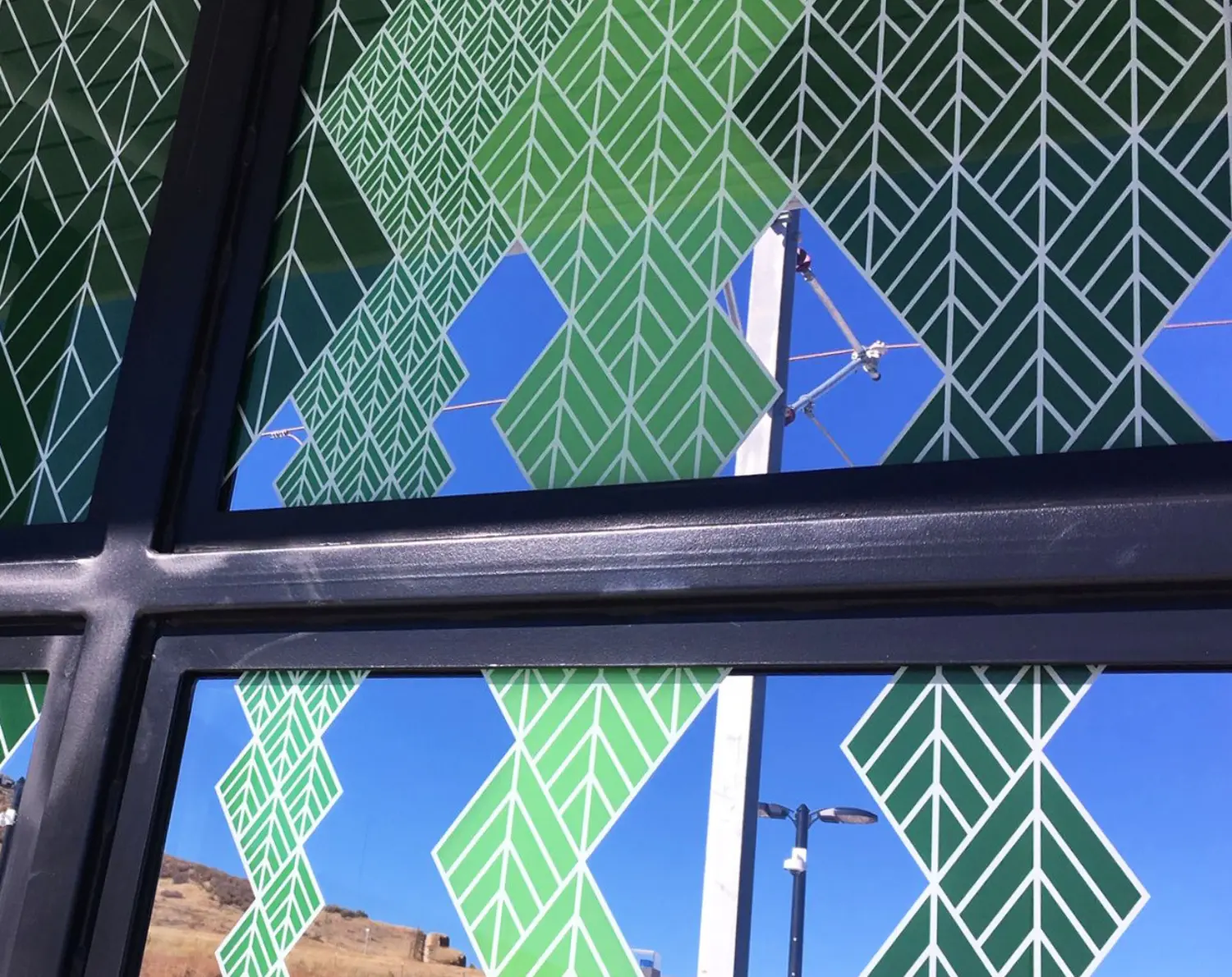
Exterior uses include:
- Building entrances
- Glass facades
- Canopies
- Balcony systems
- Decorative exterior walls
- Public structures such as shelters and kiosks
These installations help create memorable architecture while contributing to a building’s overall identity.
Performance Matters as Much as Appearance
Beautiful materials still need to perform.
Today’s architectural decorative glass is engineered to meet demanding performance requirements for residential and commercial applications. Depending on the specification, decorative glass can provide:
- Enhanced safety
- Long-term durability
- Resistance to everyday wear
- Appropriate structural performance
- Privacy without eliminating natural light
Selecting the right decorative glass means balancing aesthetic goals with functional requirements to ensure each application performs as intended throughout the life of the building.
Designing for Safety
Safety is a critical consideration whenever glass is incorporated into architectural design.
Applications such as stair railings, floors, shower enclosures, doors, and large wall systems often require specialized glazing products that meet safety standards while maintaining a clean, contemporary appearance.
Working closely with decorative glass experts early in the design process helps ensure the selected glass meets both design expectations and project requirements.
Choosing the Right Decorative Glass

Consider the following when specifying decorative glass:
- Intended interior or exterior application
- Desired level of privacy
- Structural and safety requirements
- Maintenance expectations
- Lighting conditions
- Design style and overall project goals
Today’s decorative glass offers far more than transparency. With countless textures, finishes, and fabrication techniques available, designers can create spaces that are uniquely expressive while meeting the practical demands of residential and commercial projects.
Matthew Lebowitz, Empoli Rep Group
Decorative Glass Supports Sustainable Design
As sustainability becomes increasingly important, decorative glass continues to play a valuable role in environmentally conscious architecture.
Thoughtfully specified glass can help:
- Maximize daylight penetration
- Reduce reliance on artificial lighting
- Improve occupant comfort
- Contribute to energy-conscious building design
- Support long-lasting, durable construction
Natural daylight has become one of the most sought-after features in residential design, making decorative glass an effective tool for creating healthier and more inviting living spaces.
Bringing Design Visions to Life
Architectural decorative glass continues to redefine what’s possible in residential and commercial design. Whether used as a dramatic feature wall, an elegant staircase, or a sophisticated exterior facade, decorative glass allows designers and builders to create memorable spaces that balance aesthetics, performance, and functionality.
Contact Empoli Rep Group to discuss your next project.
Glass has evolved far beyond simple windows. Today, architectural decorative glass is one of the most versatile design materials available, helping architects, interior designers, builders, and homeowners create spaces that feel brighter, more open, and uniquely customized.
Whether you’re designing a luxury residence, renovating a bathroom, or specifying materials for a commercial project, decorative glass offers an exceptional balance of beauty, performance, and functionality. From statement staircases to sleek shower enclosures and dramatic glass facades, today’s innovations make it possible to incorporate glass into nearly every aspect of a building.
Architectural decorative glass has evolved from a finishing material into a defining design element. It gives architects and designers the freedom to shape light, create visual connections, and add distinctive character without compromising performance.
Matthew Lebowitz, Empoli Rep Group
The Growing Role of Architectural Decorative Glass in Modern Design
Decorative glass allows designers to introduce light, texture, color, and privacy without sacrificing openness.
Unlike traditional building materials, glass can simultaneously:
- Maximize natural daylight
- Create visual connections between spaces
- Add texture and artistic expression
- Improve the perception of larger interiors
- Deliver modern, minimalist aesthetics
The result is a home or commercial environment that feels brighter, more spacious, and thoughtfully designed.
Interior Applications That Inspire
Antique Mirrors
While often associated with luxury interior decor, antique mirror glass can create dramatic focal points that make interiors feel truly one of a kind.
Frameless Glass Walls
Open-concept living remains popular, but homeowners still want separation between spaces. Frameless glass partitions provide subtle boundaries while maintaining uninterrupted sight lines and allowing daylight to travel throughout the home.
Shower Enclosures
Modern shower doors have become architectural statements rather than simple functional elements. Decorative glass can introduce privacy, texture, or custom patterns while maintaining the clean, spa-like appearance homeowners love.
Stair Railings and Balustrades
Replacing traditional wood or metal railings with glass creates an elegant floating effect that opens staircases and enhances natural lighting.
The most successful glass installations balance beauty with function. When decorative glass is thoughtfully specified, it can enhance privacy, improve daylighting, support safety requirements, and become one of the most memorable features of a building.
Matthew Lebowitz, Emploli Rep Group
Exterior Glass Creates Lasting First Impressions
Exterior uses include:
- Building entrances
- Glass facades
- Canopies
- Balcony systems
- Decorative exterior walls
- Public structures such as shelters and kiosks
These installations help create memorable architecture while contributing to a building’s overall identity.
Performance Matters as Much as Appearance
Beautiful materials still need to perform.
Today’s architectural decorative glass is engineered to meet demanding performance requirements for residential and commercial applications. Depending on the specification, decorative glass can provide:
- Enhanced safety
- Long-term durability
- Resistance to everyday wear
- Appropriate structural performance
- Privacy without eliminating natural light
Selecting the right decorative glass means balancing aesthetic goals with functional requirements to ensure each application performs as intended throughout the life of the building.
Designing for Safety
Safety is a critical consideration whenever glass is incorporated into architectural design.
Applications such as stair railings, floors, shower enclosures, doors, and large wall systems often require specialized glazing products that meet safety standards while maintaining a clean, contemporary appearance.
Working closely with decorative glass experts early in the design process helps ensure the selected glass meets both design expectations and project requirements.
Decorative Glass Supports Sustainable Design
As sustainability becomes increasingly important, decorative glass continues to play a valuable role in environmentally conscious architecture.
Thoughtfully specified glass can help:
- Maximize daylight penetration
- Reduce reliance on artificial lighting
- Improve occupant comfort
- Contribute to energy-conscious building design
- Support long-lasting, durable construction
Natural daylight has become one of the most sought-after features in residential design, making decorative glass an effective tool for creating healthier and more inviting living spaces.
Choosing the Right Decorative Glass
With hundreds of architectural glass options available, selecting the right product requires more than choosing an attractive finish.
Consider the following when specifying decorative glass:
- Intended interior or exterior application
- Desired level of privacy
- Structural and safety requirements
- Maintenance expectations
- Lighting conditions
- Design style and overall project goals
Today’s decorative glass offers far more than transparency. With countless textures, finishes, and fabrication techniques available, designers can create spaces that are uniquely expressive while meeting the practical demands of residential and commercial projects.
Matthew Lebowitz, Empoli Rep Group
Bringing Design Visions to Life
Architectural decorative glass continues to redefine what’s possible in residential and commercial design. Whether used as a dramatic feature wall, an elegant staircase, or a sophisticated exterior facade, decorative glass allows designers and builders to create memorable spaces that balance aesthetics, performance, and functionality.